ARCADE GAMES BY SOUND & VISION
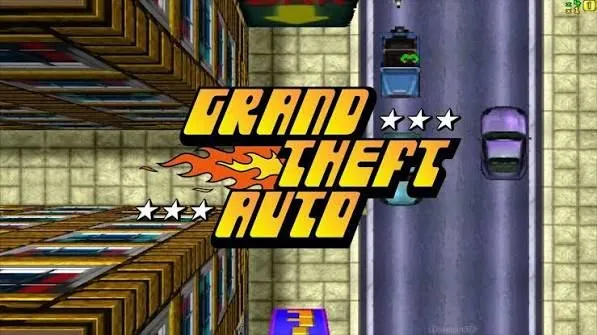
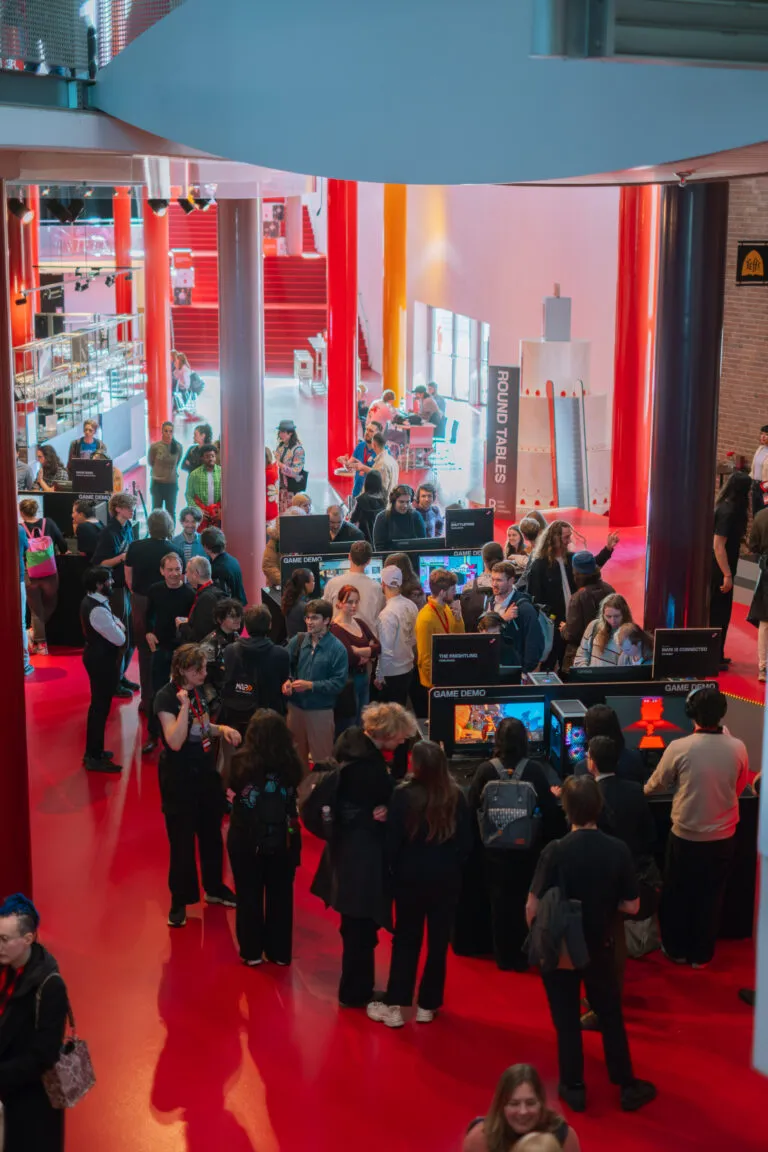
Sound & Vision (Beeld & Geluid) manages one of the largest digitalized media archives in the world. At Dutch Game Week, they bring three arcade cabinets that you can play with games from their archive. Step back in time, grab a joystick and discover the Dutch game classics that came before today’s hits.
One of the main pillars of game history in the Netherlands has always been games with a focus on education and learning. When home computers started to become a more common sight in Dutch households in the 1980s, these educational functions were one of the focus areas through which computers were marketed and seen by the general public. Philips, a major producer of consumer electronics, always made sure that they’re computer hardware was never ‘just’ focused on entertainment. Naturally games were produced to fit these learning functions. ‘A bond’, so to say, which was never broken and paved the way to works by acclaimed Dutch studios such as Radarsoft, Davilex Games, IJsfontein and &Ranj, among many others.
The functional use of creativity by these studios has led to some wonderful game creations over the past few decades. Here you can experience two of these works from the 90s. A formative decade where this ‘genre’ truly started coming into play.
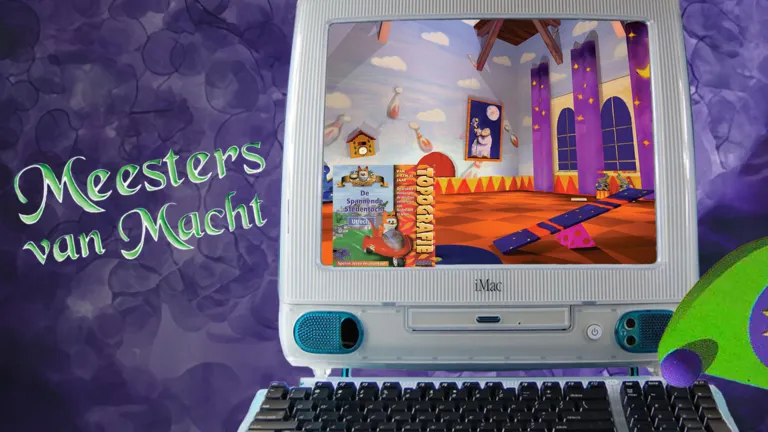
In this games, RedCat goes searching for the Dutch queen, held ‘somewhere’ in the Netherlands. Naturally this tasks RedCat with visiting quite a few places in the Netherlands and along the way, the player can pick up on Dutch topography. Easy does it, and in that sense RedCat is a straight shooter: straightforward to his goal. A characteristic he might have inherited from his days as a side scrolling, cooking pot wearing hero. In the hands of Davilex Games he was put into almost any situation where kids could learn skills from math to language, through this red furry friend. The amount of titles and ease of play made sure RedCat survives today as a cult game hero for a generation growing up in the 90s.
Three designers who studied Applied Science at Utrecht University made a game. They made optimal use of the still quite new CD-ROM technology for visual splendor. What they designed was an ‘interactive media game’ for 9 to 14 year olds. The player has to puzzle his way through five stages where he must master (and learn!) the elements, hence the name. The end result was so impressive that it won its designers a BAFTA and game studio IJsfontein was born. What is interesting is that this game was the first Dutch game to be marketed as a ‘serious game’. Its makers already knew what they were on about. Proven by the fact that they’re still making serious games, 30 years down the line. True masters themselves!